
A product launch event has one job: to make your product unforgettable at the moment it enters the world. Not just to your guests in the room - but to the journalists, influencers, and social audiences who experience it through content in the days and weeks that follow.
Most product launch events underdeliver because they're planned like parties rather than productions. This guide is the framework our team uses to plan launches that consistently generate press coverage, genuine audience excitement, and social content that works long after the event ends.
Step 1 - Define the Launch Objectives Before You Plan Anything
Before you book a venue, build a guest list, or brief a production team, you need to answer four questions clearly:
What is the primary goal of this launch? Is it press coverage? Social media buzz? Direct sales conversion? Stakeholder confidence? B2B relationship building? Each of these points to a different event format, guest list, and production emphasis.
Who is the primary audience? Media and journalists require a different experience than retail buyers, who require a different experience than internal stakeholders.
What is the single message you want every guest to leave with? One message. Not three. Not a full feature list.
What does success look like in measurable terms? Media pickups. Social impressions. Leads generated. Attendee feedback scores. Define it before you start planning.
Step 2 - Choose the Right Event Format
Not every product launch is a gala reveal. The format should match the product, the audience, and the message.
Press Preview / Media Briefing - Small, intimate, access-driven. Best for products where detailed hands-on experience matters.
Experiential Launch Event - Large-format, immersive, experience-led. Best for consumer brands and anything that benefits from a dramatic reveal moment.
Trade & Industry Launch - B2B-focused, presentation-heavy, relationship-driven. Best for products targeting a professional audience.
Hybrid Launch - In-person event paired with a live-streamed broadcast for a global or remote audience.
Step 3 - Build the Guest List Strategically
Every seat at a product launch is a strategic asset. Tier your guest list:
Tier 1 - Core Influencers: Journalists, content creators, and industry voices whose coverage will reach your target audience most directly.
Tier 2 - Key Stakeholders: Buyers, partners, distributors, investors.
Tier 3 - Brand Community: Loyal customers, brand advocates, and community members who amplify authentically.
Cap the list deliberately. A smaller room of the right people consistently outperforms a large room of the wrong ones.
Step 4 - Design the Reveal Moment
The reveal is the centrepiece of the entire event. Everything before it is build-up. Everything after it is amplification.
What makes a great reveal:
- Tension before release. Build genuine anticipation through narrative, a darkened room, a countdown, or a sequence of partial reveals.
- Sensory impact. Lighting, sound, and staging work together to create a moment that is felt, not just seen.
- A single clear focus. The product should be the undeniable hero of the moment.
- A hook for content. Think about what the reveal looks like in a 15-second social clip.
Step 5 - Design the Content Capture Strategy
In 2026, the reach of a product launch extends far beyond the room. The content your event generates is often more valuable than the event itself.
Content capture essentials:
- A dedicated photographer and videographer briefed on key moments and angles
- A branded media wall for posed photography
- A live social wall displaying real-time posts from the event
- A content creator access zone with optimized lighting and staging
- A press kit prepared in advance with high-resolution product images and press release
Step 6 - Plan the Full Guest Journey
Great launch events are designed from the moment guests receive their invitation to the moment they leave the venue.
- Invitation: Build anticipation and communicate the calibre of the event
- Arrival experience: First impression matters enormously
- Pre-reveal programme: Set the mood without giving too much away
- The reveal: The moment everything has been building toward
- Post-reveal experience: Demo stations, brand activations, hospitality
- Departure: A thoughtful departure gift or follow-up communication
Step 7 - Execute and Amplify
Day-of production checklist:
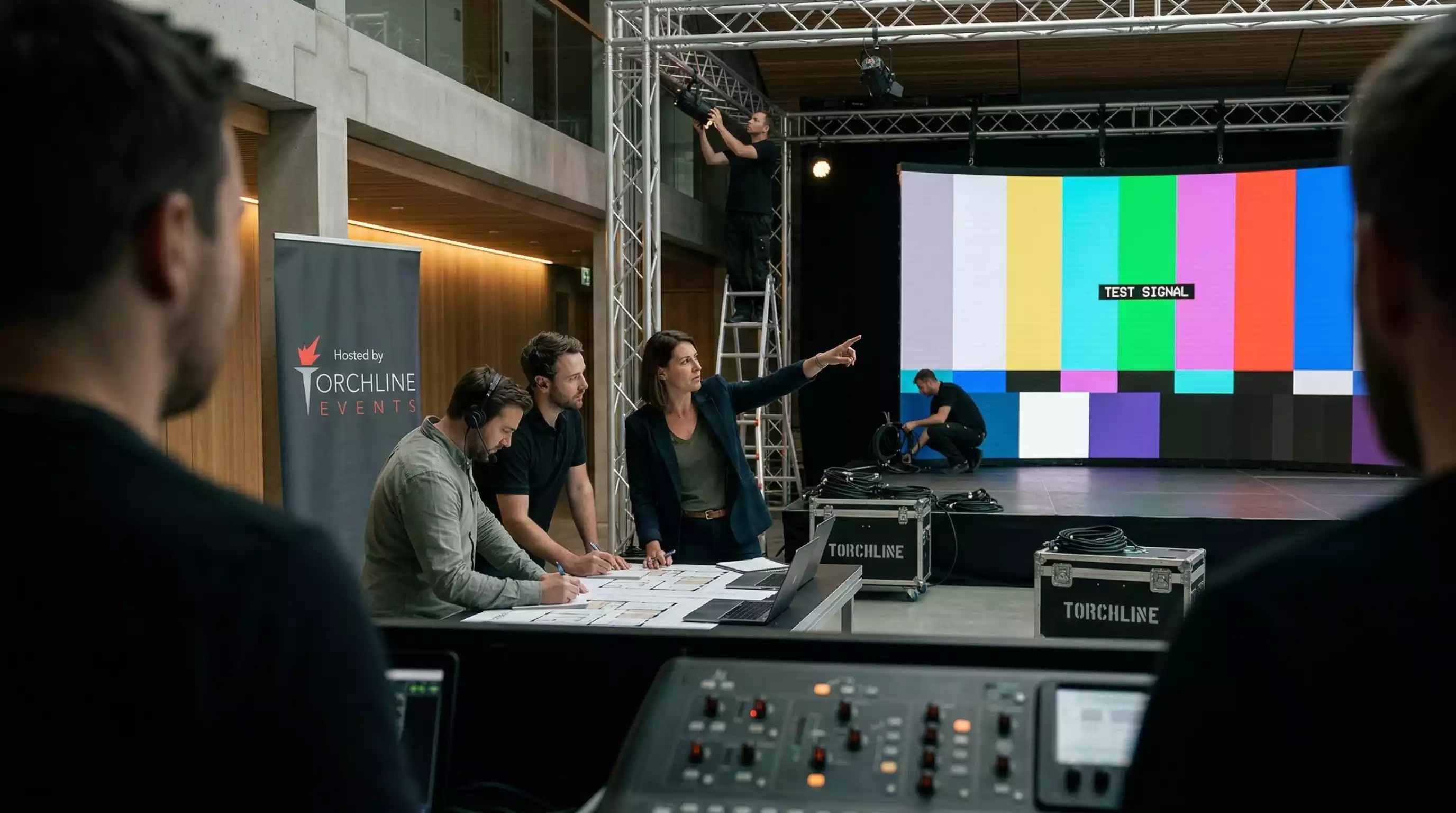
- Full technical rehearsal the day before
- Briefing all staff, brand ambassadors, and hosts on the run-of-show
- Dedicated team for media and influencer management
- Real-time social monitoring during the event
- Press release embargo lift timed to the reveal moment
Post-event amplification:
- Share curated event photography on brand channels within 24 hours
- Distribute the edited launch film within 72 hours
- Follow up personally with key media and influencer attendees
- Compile a post-event impact report
The Bottom Line
A memorable product launch is not expensive - it's precise. It's the result of clear objectives, intentional design, the right audience, and a reveal moment that's been crafted with the same care as the product itself.